

Your dental hygienist does way more than clean your teeth. Regular dental visits can reduce the risk of systemic problems like heart disease and diabetes. Routine dental hygiene plays a critical role in your overall health and helps prevent bad breath, tooth decay, and gum disease. Understanding this connection matters if you’re pursuing a dental hygienist program or learning about dental hygienist programs. Family dental care extends beyond esthetics to focus on preventing dental cavities, tooth loss, and other health problems. This piece will cover what dental hygienists do during your visit, the hidden link between oral health and serious medical conditions, and how these professionals help prevent life-threatening health issues.
What Dental Hygienists Do During Your Visit
You sit in the chair for a routine appointment. The process begins with a full medical history review. Your dental hygienist will discuss any changes in your medications, health conditions, or lifestyle factors that could affect your oral health. This step allows professionals trained in dental hygienist programs to tailor care to your specific needs.
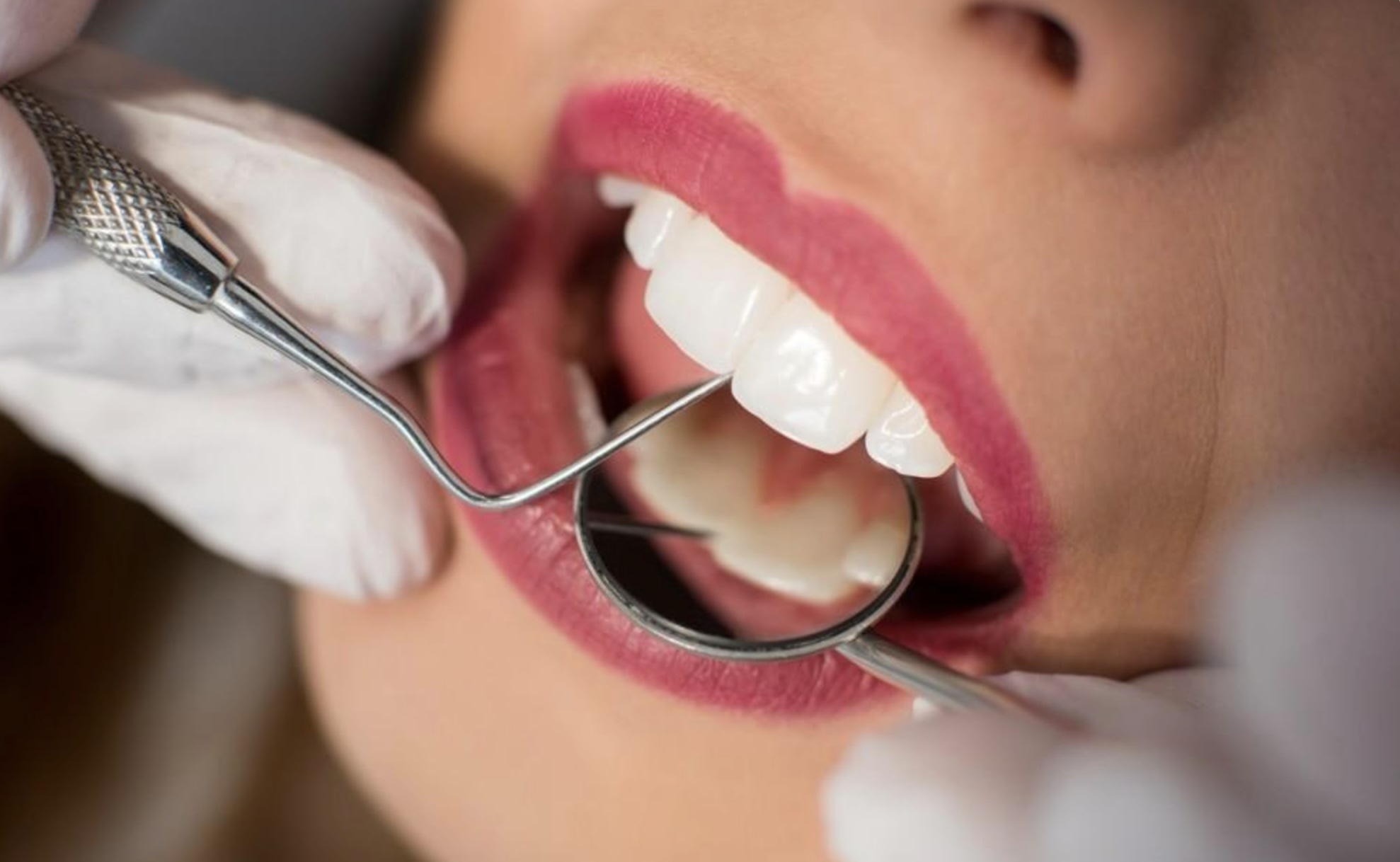
The examination starts with a careful inspection of your face, neck, and oral cavity for unusual swellings, discoloration, or asymmetry. The dental hygienist performs an oral cancer screening with specialized tools to check for precancerous lesions or suspicious growths. This screening gets into soft tissues like your tongue, cheeks, throat, and lips.
The hygienist measures gum pockets during a periodontal assessment and checks for signs of gum disease. Dental charting follows and records the condition of each tooth, existing restorations, and areas of concern. Saliva testing checks for disease markers or imbalances in your oral microbiome as needed.
The cleaning process involves scaling to remove plaque and tartar from tooth surfaces, especially around the gum line. Root planing smooths root surfaces as needed and reduces inflammation. Teeth are polished after scaling to remove stains and residual biofilm. A fluoride treatment strengthens enamel and prevents cavities. X-rays capture hidden problems beneath the surface. Your visit includes education on proper oral care techniques and nutrition, whether at a family dental care practice or specialty clinic. Hygienists provide this guidance throughout.
The Hidden Link Between Oral Health and Serious Medical Conditions
Bacteria from periodontal disease don’t stay confined to your mouth. They travel through your bloodstream to reach your heart, brain, and other vital organs. Cardiovascular disease affects patients with periodontal disease at a rate of 7.2%, with specific risks including coronary heart disease at 6.6% and hypertension at 25.3%. The bacteria that infect the gums can take up residence in blood vessels and cause inflammation that contributes to atherosclerosis.
The connection extends to brain health as well. Porphyromonas gingivalis, the main bacterium causing gum disease, has been detected in Alzheimer’s patients’ brains. This bacterium releases enzymes called gingipains that destroy nerve cells and contribute to memory loss. Older adults with gum disease show substantially higher risks of developing Alzheimer’s during follow-up periods.
Oral infections that persist affect pregnancy outcomes. Pregnant women experience some form of periodontal disease at a rate of 40%, and maternal periodontal disease is linked to preterm birth and low birth weight. Diabetes creates a bidirectional relationship with gum disease, where each condition worsens the other. People with diabetes face two to four times higher risk of developing periodontal disease. Periodontal treatment can reduce blood sugar levels by 0.43%.
How Dental Hygienists Help Prevent Life-Threatening Health Issues
Early detection through routine screenings can mean the difference between life and death. The five-year survival rate exceeds 80% when oral cancer is caught in stage I or II. Almost half of all cases go undetected until stages III and IV, and survival rates plummet to between 23% and 41% depending on location.
Your dental hygienist performs oral cancer screenings at every appointment by scrutinizing your face, neck, lips, tongue, throat, and gums for suspicious lesions or tissue changes. They check for red or white patches, persistent sores, lumps, or abnormalities that could indicate precancerous conditions. They document it with intraoral photography and refer you to a specialist for biopsy if the lesion persists beyond two weeks, when something unusual appears.
Dental hygienists prevent systemic inflammation beyond cancer detection by removing bacterial plaque during professional cleanings. This reduces the oral bacterial load that can enter your bloodstream and triggers immune responses throughout your body. Periodontal therapy combined with mechanical cleaning can lower HbA1c levels by 0.4 to 0.9% for diabetes patients, like adding another diabetes medication.
Hygienists trained through dental hygienist programs educate patients about modifiable risk factors that include tobacco use and alcohol consumption. Family dental care practices rely on these professionals to identify early warning signs and coordinate referrals when oral manifestations suggest underlying systemic conditions.
Conclusion
Your dental hygienist serves as your first line of defense against health conditions that extend way beyond your mouth. Regular visits allow these professionals to detect early warning signs of cancer, heart disease, and diabetes complications before they become life-threatening. The cleanings and screenings you receive during routine appointments can add years to your life. Schedule your next dental visit and take advantage of this preventive care that protects your overall health.







Leave A Comment